Project 03 of 06 / Competition robotics
VEX Over Under
Seven years of competition robotics, ending with a robot that had to score, cross a barrier and climb, and a team that had to do it twice on the same day.
- Role
- Captain and lead programmer
- Team
- 41103A NextGen, seven people
- Period
- 2018 to 2024
- Result
- Two time national champion
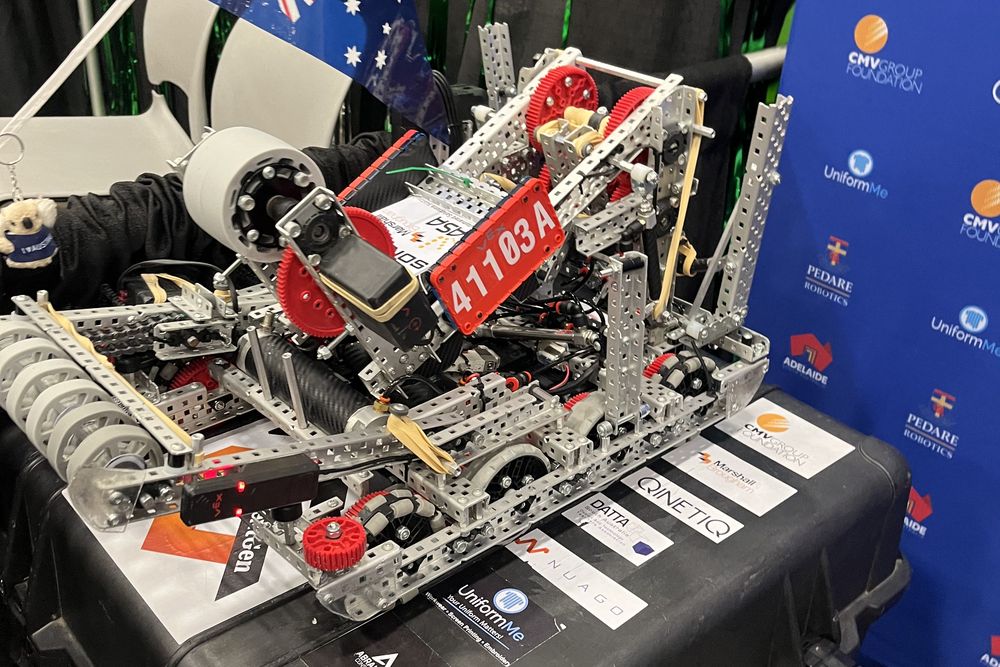
The challenge
Build one robot that scores, traverses and climbs, and does it the same way every match.
Over Under asked for triball handling, movement across a central barrier and an end game elevation climb. Any one of those is a mechanism. All three at once is a packaging argument, and the autonomous routine only works if the robot ends up in the same place it did in practice.
The build
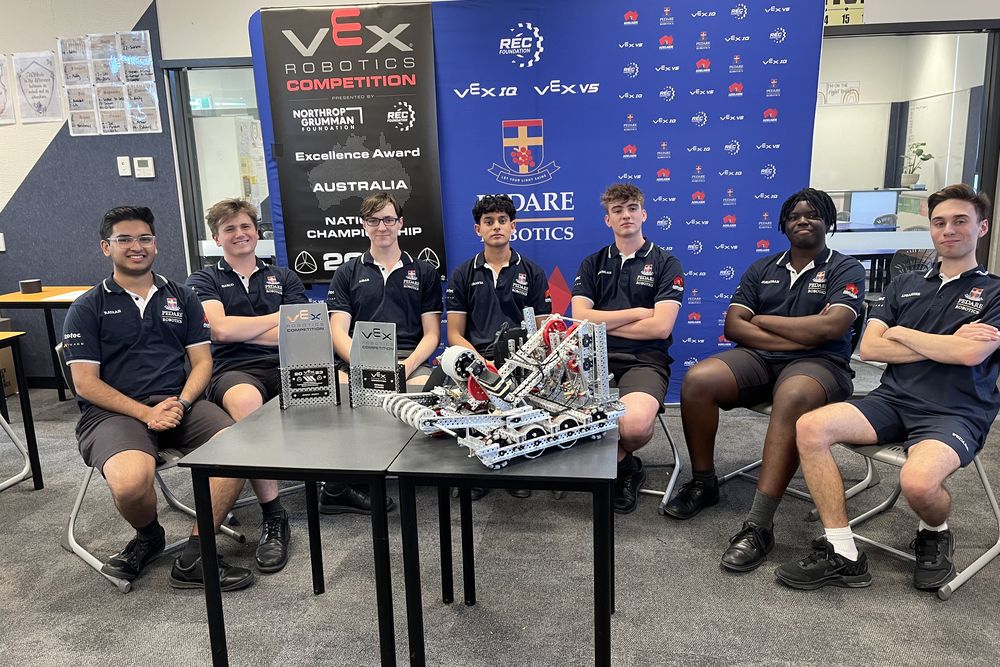
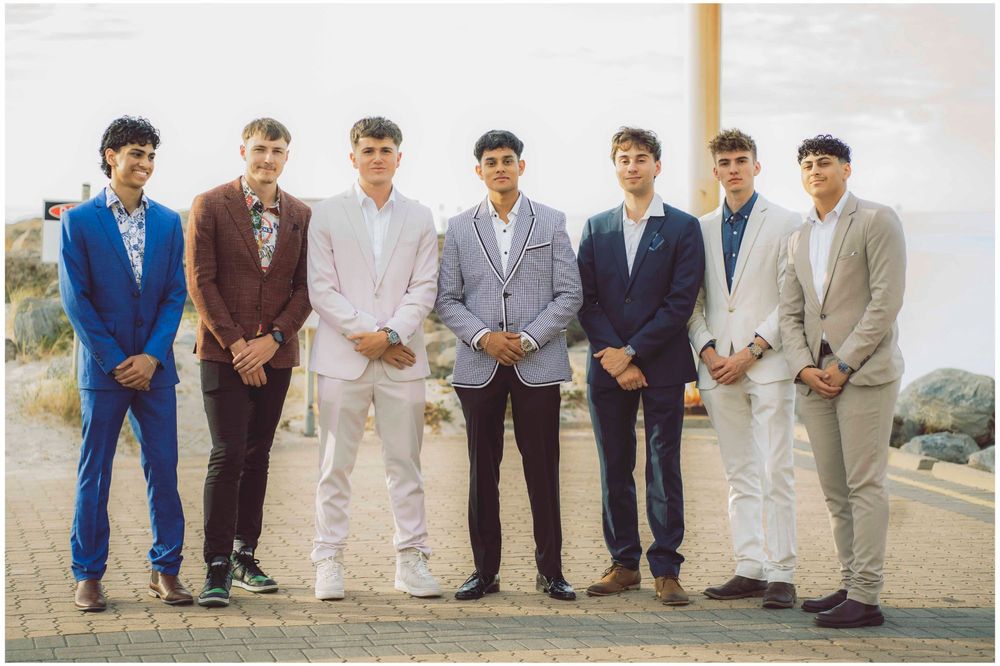
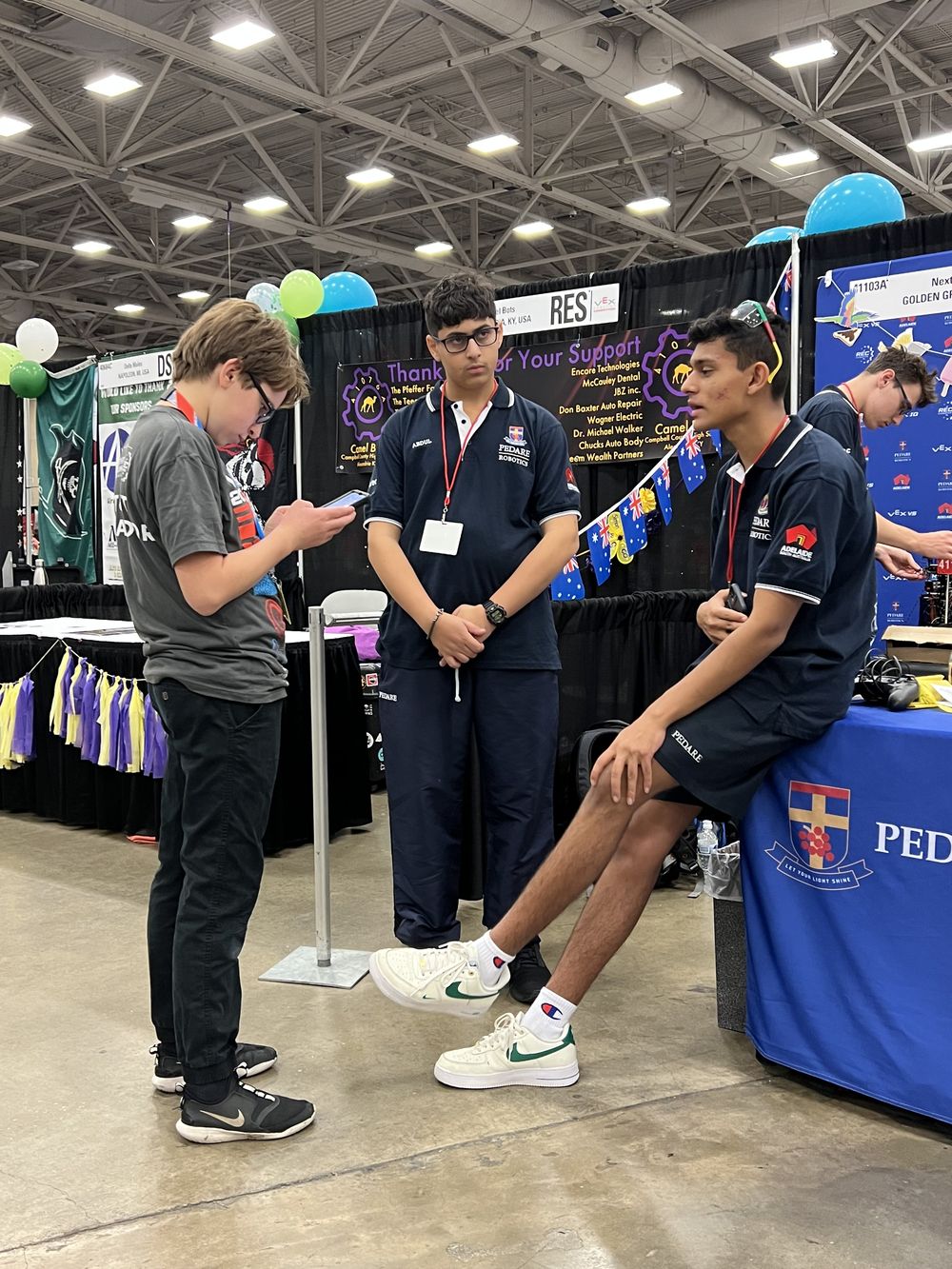
The pit, the seven people who ran it, and the trophies.
Photographs from the 2023/24 Over Under season, at the Australian national championship and at the world championship in Dallas.
Control stack
Fuse several imperfect sensors into one repeatable field position.
No single sensor on a VEX robot is trustworthy on its own. Encoders drift when a wheel slips, the inertial sensor drifts over a match, and neither of them knows where the field is. Combining them is what makes an autonomous routine survive contact.
- Inertial sensorHeading feedback for turns and orientation.
- EncodersDrivetrain and mechanism movement feedback.
- Colour sensorField state input the odometry cannot infer.
- C++ controlAutonomous routines and driver control behaviour.
My contribution
Own the code, shape the mechanisms, run the team.
- Program the full control stack. Wrote the autonomous and driver control code in C++, including the sensor fusion the routines depend on.
- Design the pneumatic mechanisms. Developed the intake, scoring and elevation climb systems and the packaging that let all three coexist.
- Lead competition execution. Ran strategy, driver training and event preparation for a seven person team.
- Build capability around the team. Mentored junior teams and helped organise the 2022 Australian National VEX Championship.
- National result
- Back to back Australian titles
- International result
- Two world championship qualifications
- 2023-24 season
- World Championship Sportsmanship Award
- Venue
- Dallas, Texas
Previous builds
Over Under was the last robot, not the first.
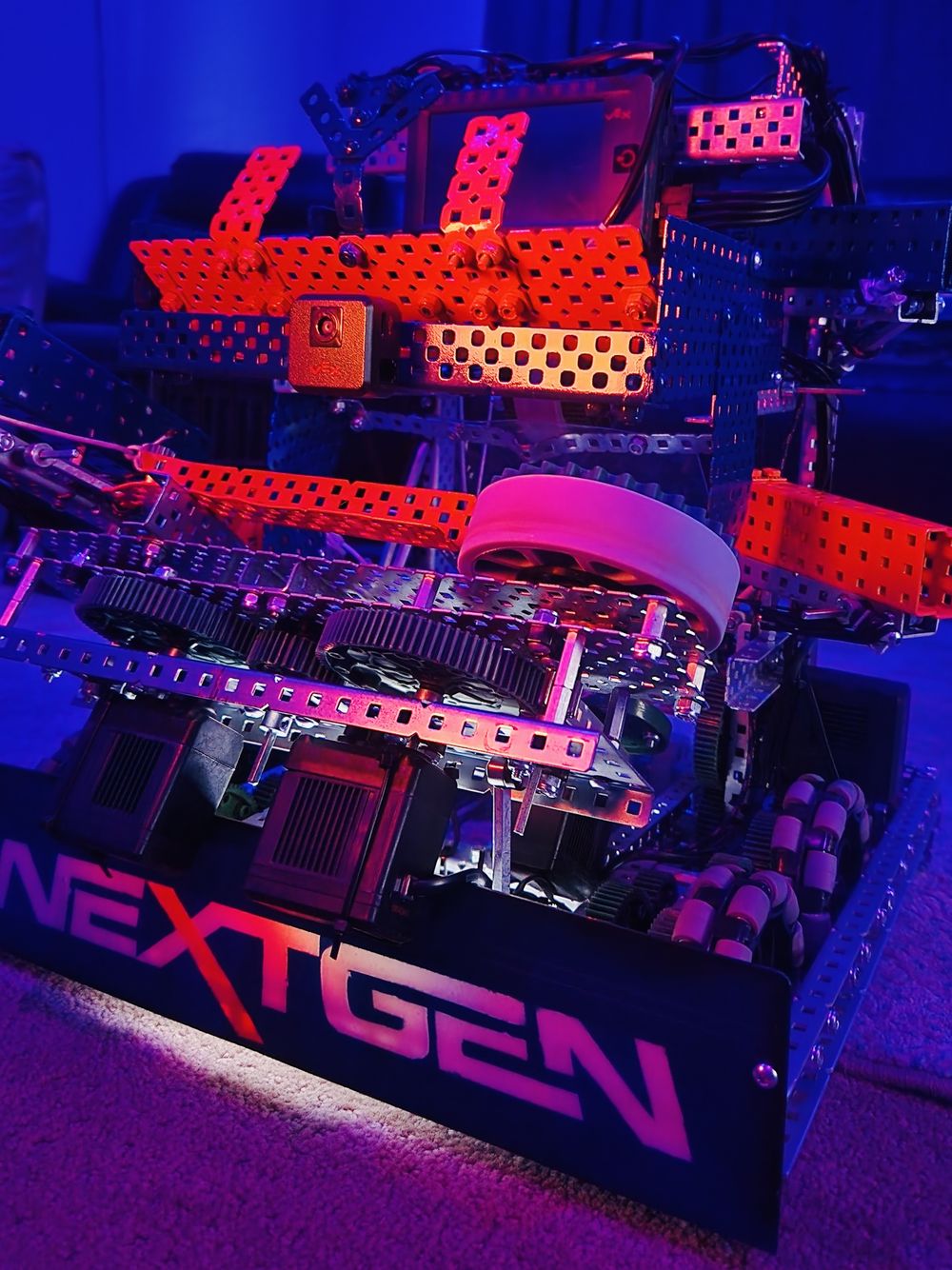
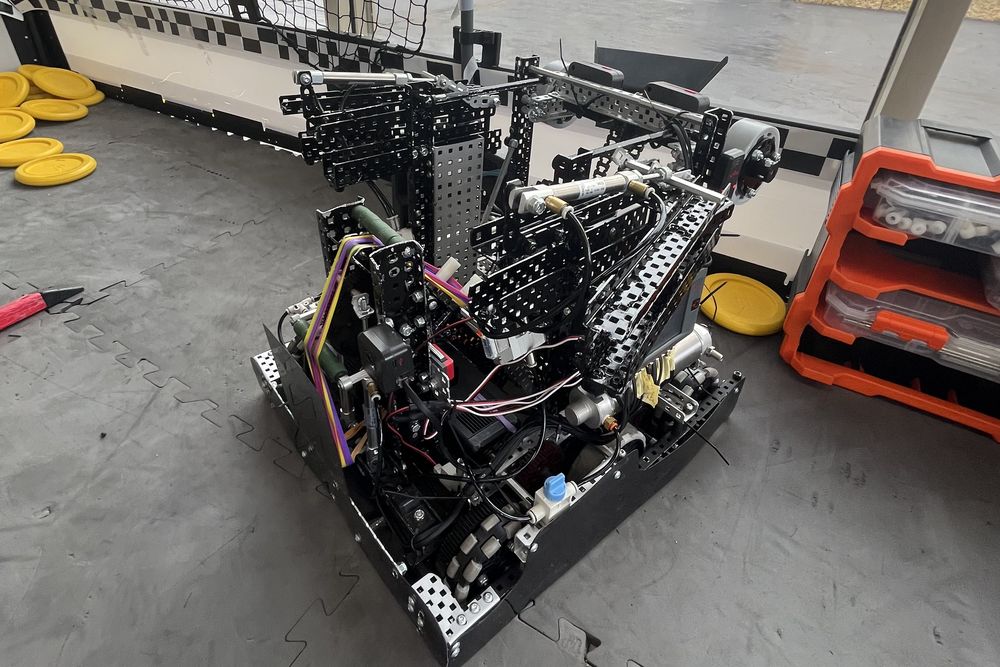
Six seasons came before it. Each game changed the scoring objects and the field, so each year the mechanisms were designed again from nothing, and each year the code and the drivetrain carried a little more of what the last one taught us. These two are earlier season robots from the same programme.
Coverage
What other people wrote about it.
Team 41103A, competing as NextGen out of Pedare Christian College, was the only South Australian team to qualify for the 2024 world championship. Two pieces of coverage from that season:
Press
SA VEX robotics team makes history at the World Championship in Texas
Glam Adelaide, 5 May 2024. The event drew roughly 117,000 competitors from more than 70 countries.
Radio
The Pedare robot, Adelaide Mornings
ABC Radio Adelaide. The team on air about the robot we took to Dallas.